Destination Wedding Photography Guide for Couples
Destination weddings have become a dream choice for many couples, exchanging vows on a beach at sunset, in a centuries-old castle, surrounded by mountains, or in a city that holds special meaning for both of you. There's something incredibly romantic about getting married somewhere far from home, surrounded only by your closest people and a completely new backdrop. But destination weddings also come with their own set of considerations, especially when it comes to photography. The location, lighting, travel logistics, and timing all play a much bigger role than they would at a local venue.
In this guide, we'll walk through everything couples should know about destination wedding photography, and at each step, Impresio Studio will explain what's involved, how things are typically planned, what you can expect during the process, and how to prepare so your photos turn out as stunning as the location itself.
Choosing the Right Location for Photography
Not every beautiful place automatically translates into beautiful photographs. Some locations look stunning to the eye but present challenges for photography, harsh midday light, crowded public spaces, or restrictions on professional shoots. Choosing a location isn't just about how it looks in person, it's also about how it will look through a camera lens at different times of day.
Impresio Studio explains: When it comes to destination photography, location scouting is one of the most important steps. We look at things like the direction the sun rises and sets, whether the spot gets crowded with tourists at certain hours, and whether there are any permits or restrictions for photography. For popular spots like beaches, vineyards, or historic landmarks, timing becomes everything, arriving early morning or during golden hour often makes a huge difference in how the photos turn out. Clients can expect us to either visit ahead of time or do thorough research using maps, photos, and local contacts to plan the best timing and angles. To prepare, it helps to share any "must-have" locations with us early on, a specific beach, a family property, a favorite café, so we can plan the schedule and check for any logistical details like permits or access timings well in advance.
Planning Around Travel and Time Zones
Destination weddings often mean multiple days of celebrations, travel days, welcome dinners, the ceremony itself, and sometimes a post-wedding brunch or excursion. Photography needs to be planned around all of this, not just the wedding day. For many couples, the days leading up to the wedding are just as memorable as the wedding itself, reunions with family and friends who haven't seen each other in years, exploring a new city together for the first time, or simply enjoying a slower pace before the big day.
Each of these moments adds to the overall story of the trip. On top of this, traveling across time zones can affect everything from when guests are jet-lagged and groggy to when the sun actually rises and sets compared to what everyone is used to back home. All of this needs to be factored in so that nothing important gets missed and the schedule doesn't feel rushed or overwhelming for anyone involved.
Impresio Studio explains: For destination weddings, we create a day-by-day shot plan covering the whole trip, not just the wedding day itself. Time zones affect sunrise and sunset times, which changes our lighting plan compared to a wedding back home. Clients can expect us to ask detailed questions about the schedule weeks in advance so we know exactly when and where to be. To prepare, share your full itinerary early, including flexible time blocks, since these often turn into great opportunities for relaxed, candid photos away from the formal schedule.
Working with Natural Light in Unfamiliar Locations
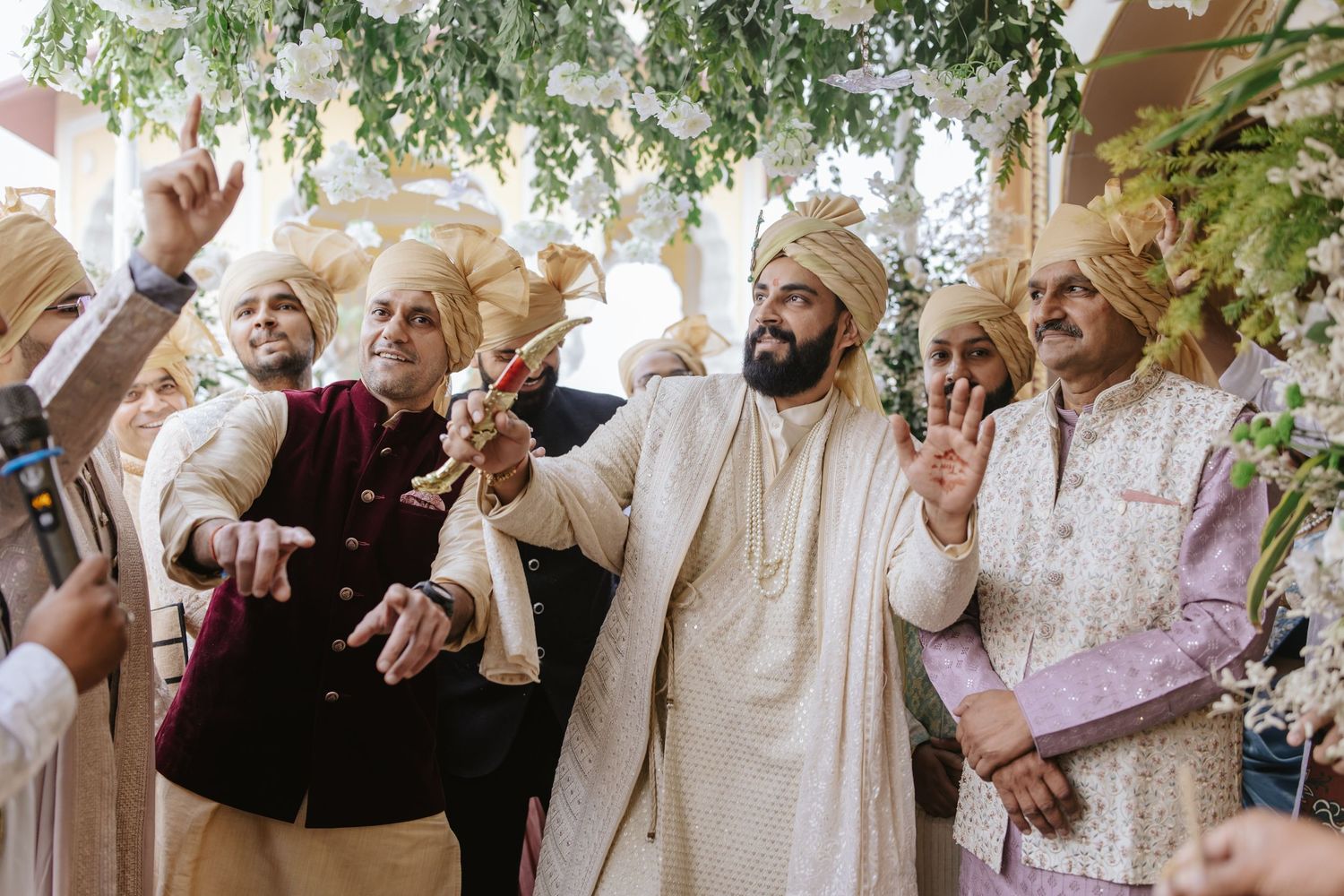
Every location has its own lighting personality. A beach at noon looks completely different from the same beach at sunset, and a historic stone courtyard might be dim and shadowy even on a bright day. Photographers need to adapt quickly to lighting conditions they may not have worked with before.
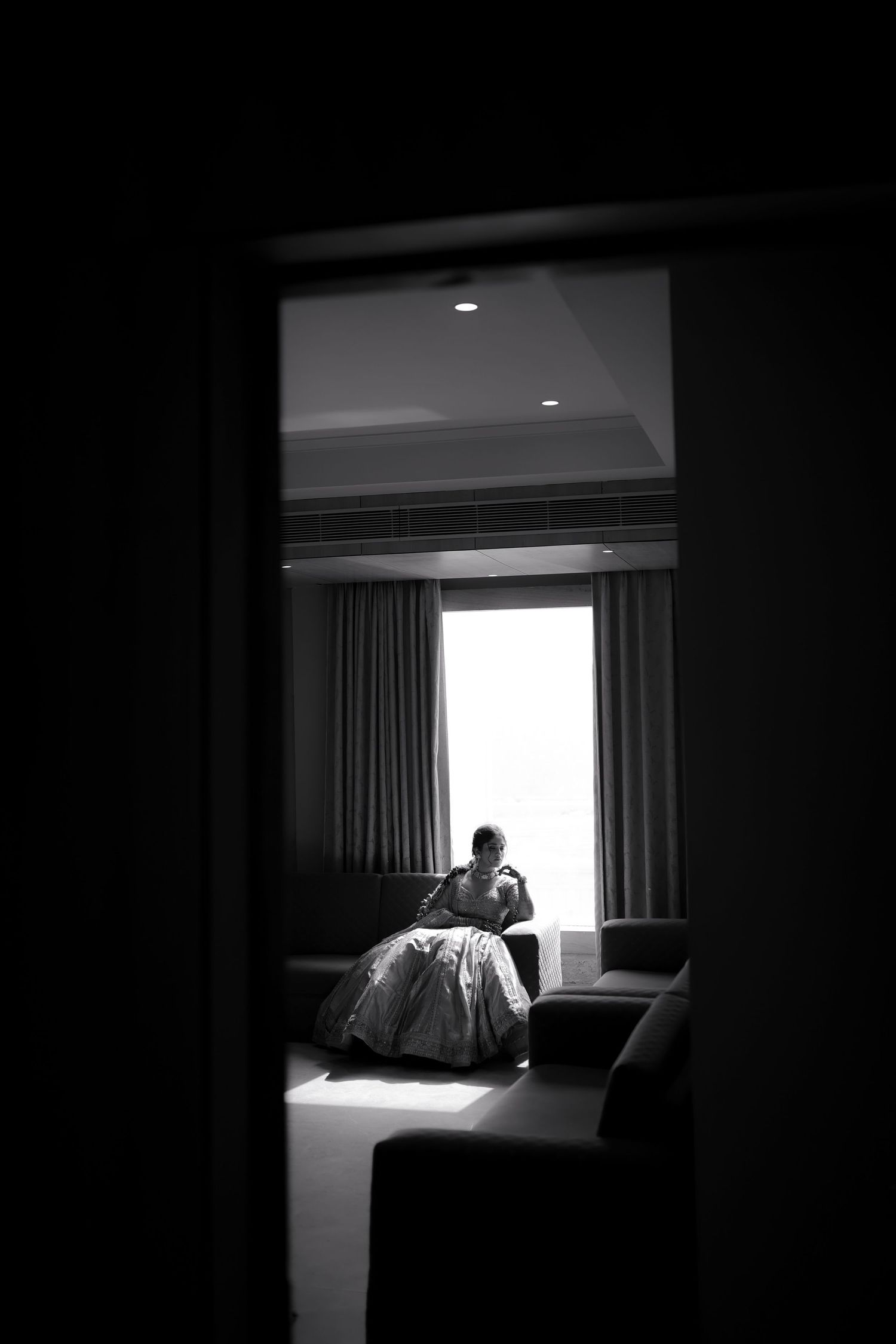
Impresio Studio explains: Natural light is one of the biggest factors in destination photography, and it changes drastically depending on geography, season, and even the architecture around you. Bright, direct sunlight at midday tends to create harsh shadows, while early morning and late afternoon light is much softer and more flattering. Indoors, especially in older buildings with small windows, lighting can be quite limited, so we sometimes bring portable lighting equipment to fill in shadows. Clients can expect us to occasionally suggest shifting the timing of certain photos, even by thirty minutes, to take advantage of better light. To prepare, try to stay flexible with timing where possible, and trust that small adjustments to the schedule are usually being made for a good reason, better light almost always means better photos.
Candid Travel and Pre-Wedding Moments
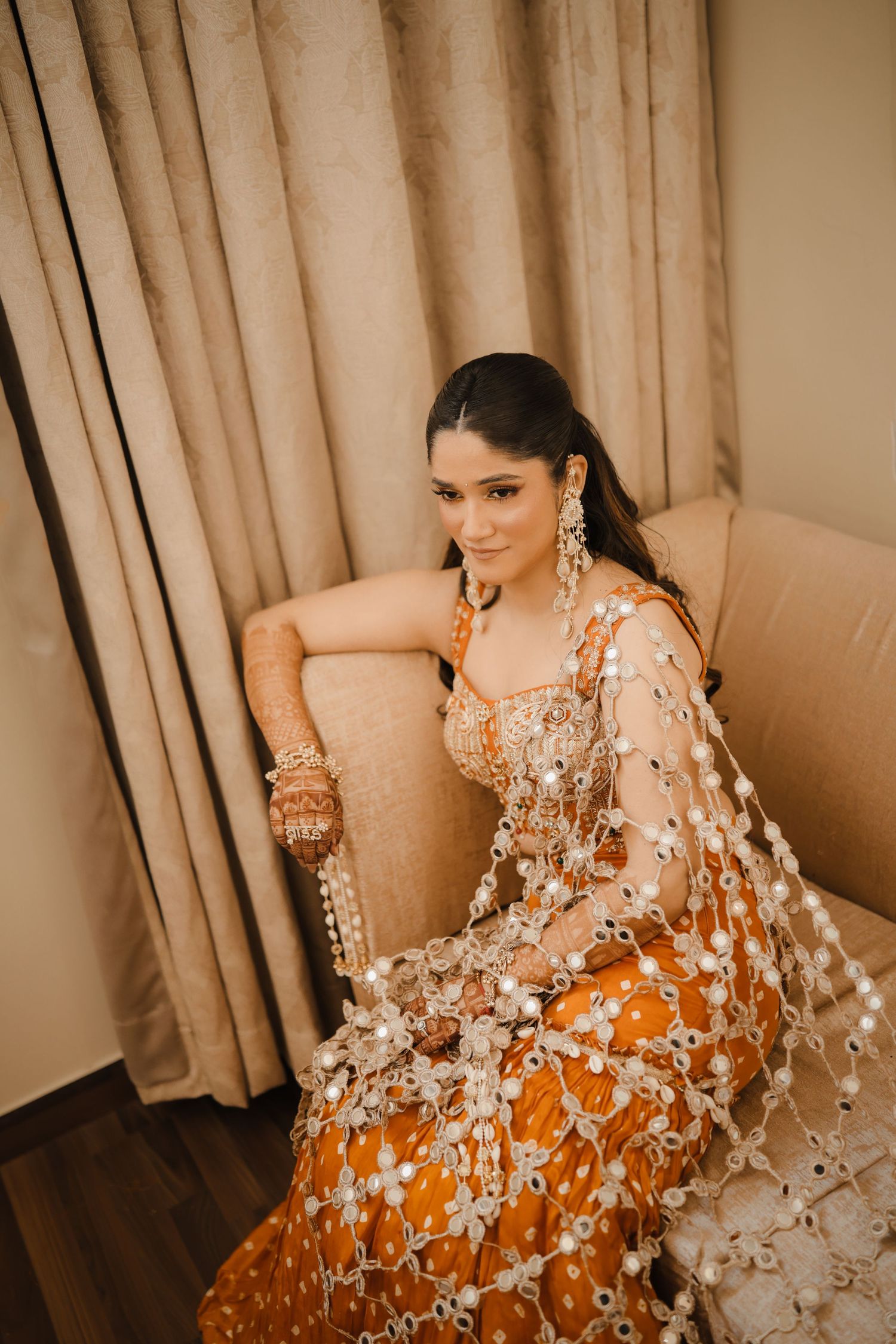
Beyond the wedding day itself, destination weddings are full of in-between moments, exploring the city together, sharing meals with family who traveled from afar, or simply relaxing by the pool the day before the big event. These moments capture the experience of the trip itself, not just the wedding.
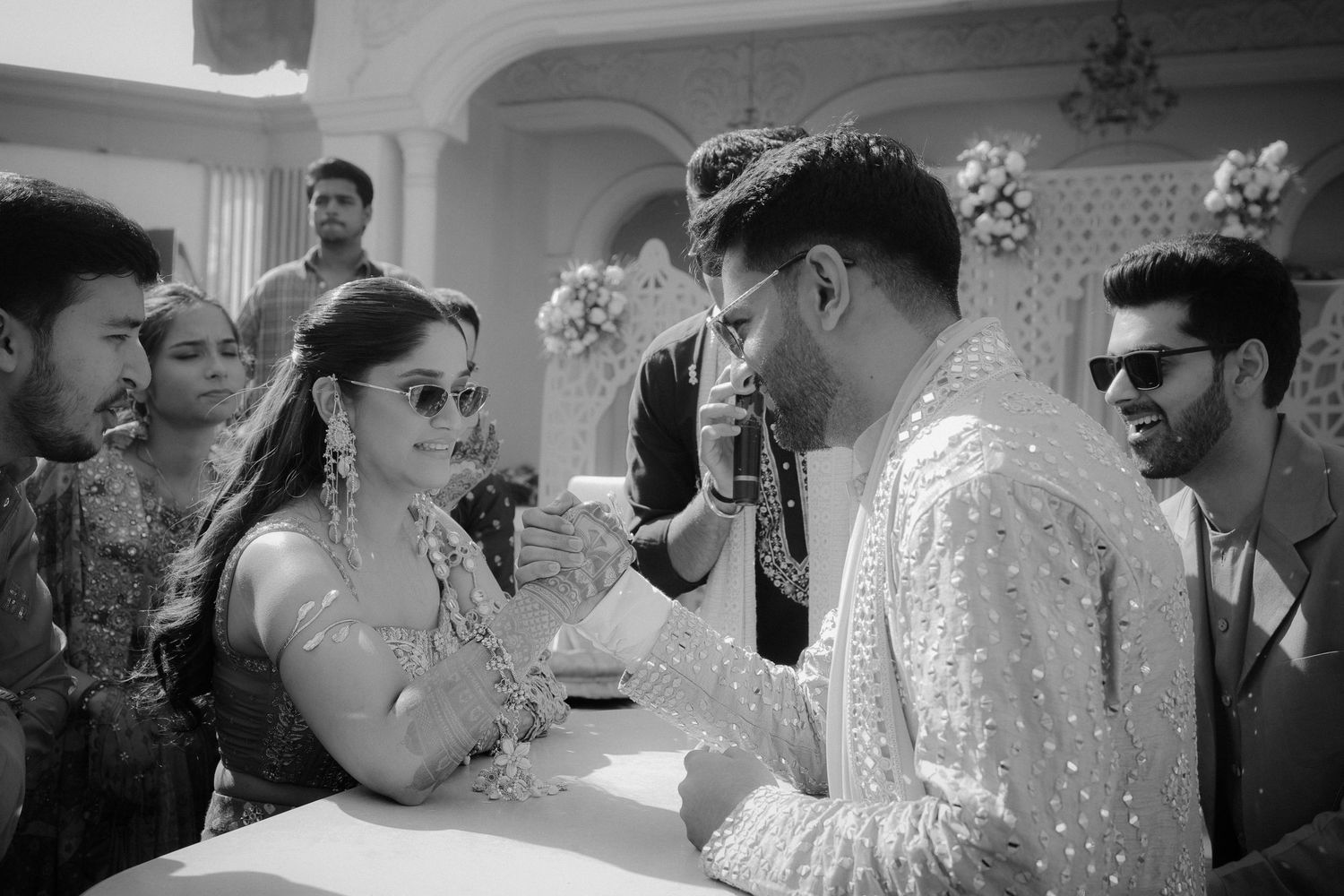
Impresio Studio explains: Candid travel photography is about documenting the journey, not just the destination. This could mean photographing you exploring a local market, walking along a street near your hotel, or sharing a quiet coffee with family the morning after you arrive. We try to stay unobtrusive during these moments, often using a smaller camera setup so we can move around easily without drawing attention. Clients can expect these photos to feel more relaxed and spontaneous compared to the formal wedding day shots. To prepare, simply let us know if there are specific experiences you'd love documented, a particular restaurant, a sunset walk, a family gathering, so we can be there to capture it naturally without it feeling staged.
Traditional Ceremony Photography in a New Setting
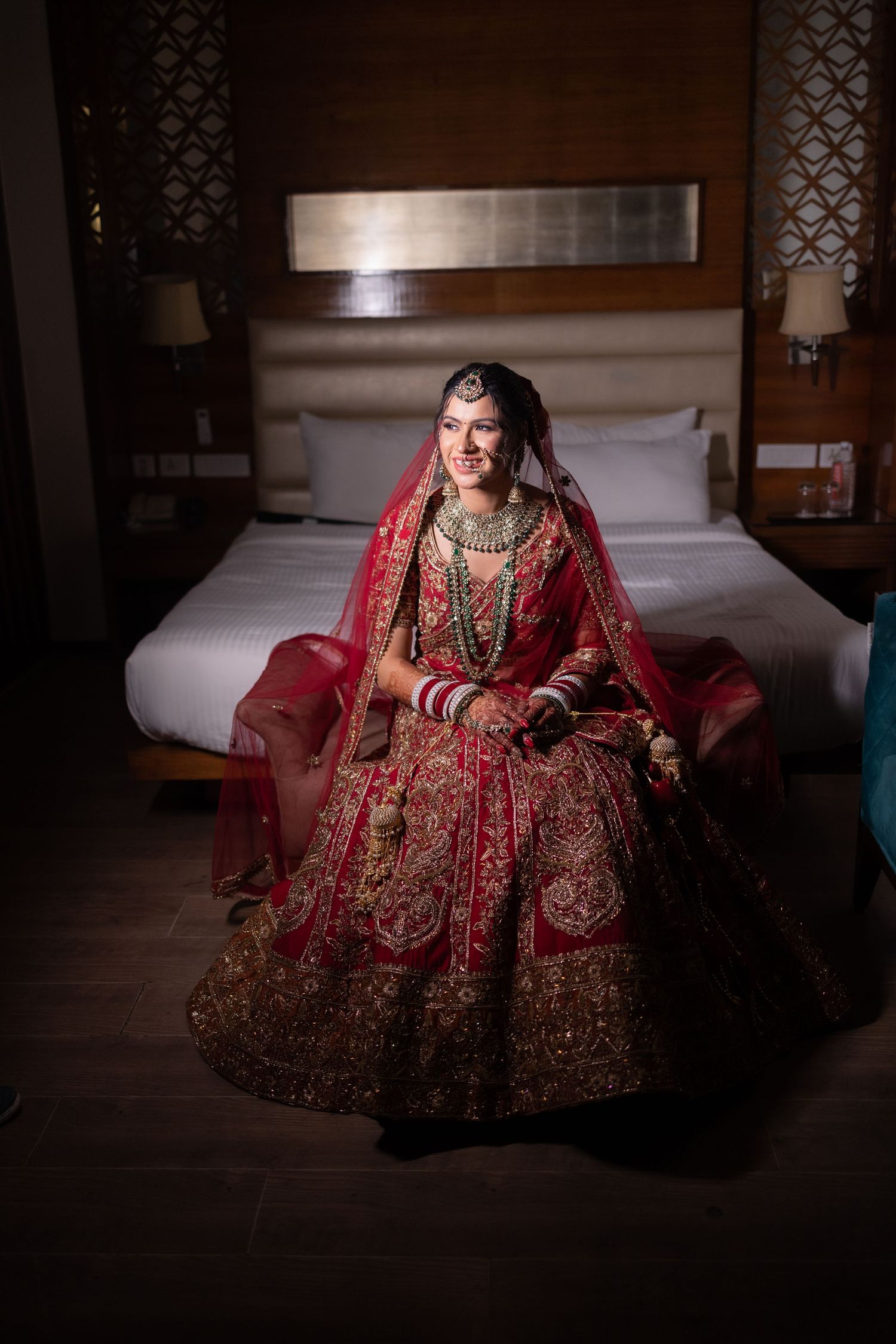
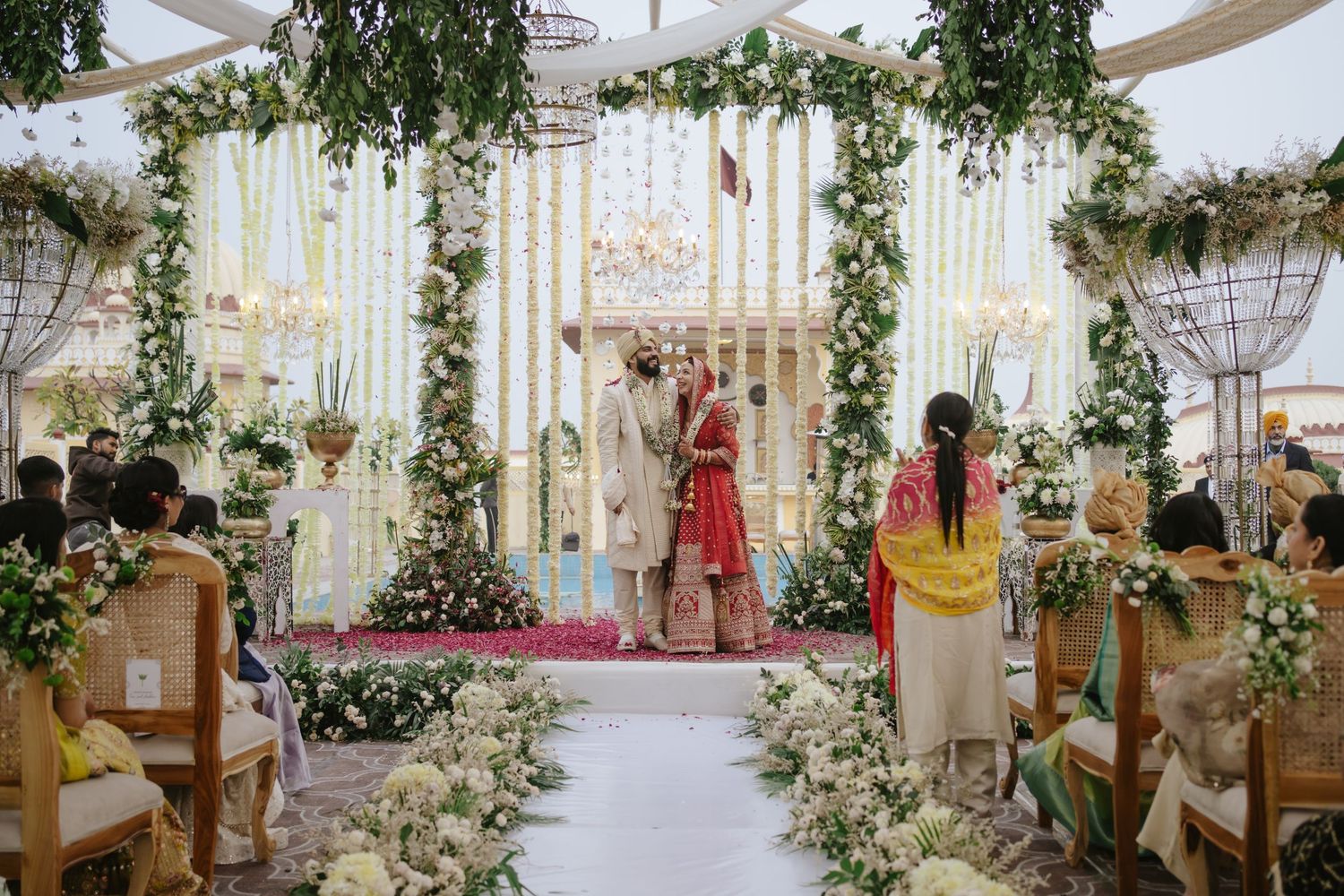
Even in a destination setting, most couples still want classic ceremony photos, the vows, the rings, the first kiss, and family portraits afterward. The challenge is adapting traditional photography techniques to whatever venue and lighting conditions the location offers.
Impresio Studio explains: Traditional ceremony photography in a destination setting follows the same core principles as anywhere else, capturing key moments clearly and ensuring everyone is well-lit and in focus, but the setup often requires more planning. We scout the ceremony space ahead of time to figure out the best positions for capturing the altar, the aisle, and the guest reactions, while also considering things like background elements, a scenic view, an architectural feature, or natural framing like an archway. Clients can expect a brief walkthrough or rehearsal discussion beforehand, especially if the ceremony follows local customs or rules about where photographers can stand. To prepare, share any details about the ceremony structure with us in advance, especially if there are cultural or religious customs we should be aware of, so we can plan our positioning respectfully and effectively.
Golden Hour and Sunset Portraits
One of the biggest draws of destination weddings is the chance to take portraits in breathtaking natural settings during golden hour, that warm, soft light just before sunset that makes everything look magical.
Impresio Studio explains: Golden hour portraits are some of the most requested shots in destination photography, and for good reason, the warm, low-angle light creates a soft glow that's incredibly flattering and adds a dreamy quality to images. For this type of shoot, timing is everything, golden hour typically lasts only twenty to thirty minutes, so we plan carefully to make the most of it. This often means stepping away from the main celebration briefly, sometimes during cocktail hour, to capture these portraits while the light is at its best. Clients can expect us to be quite time-conscious during this window, moving quickly between a few key poses and locations. To prepare, it helps to build in a short buffer in your schedule around sunset specifically for this, even fifteen to twenty minutes can make a big difference in the final photos.
Group Photos with Guests Who Traveled
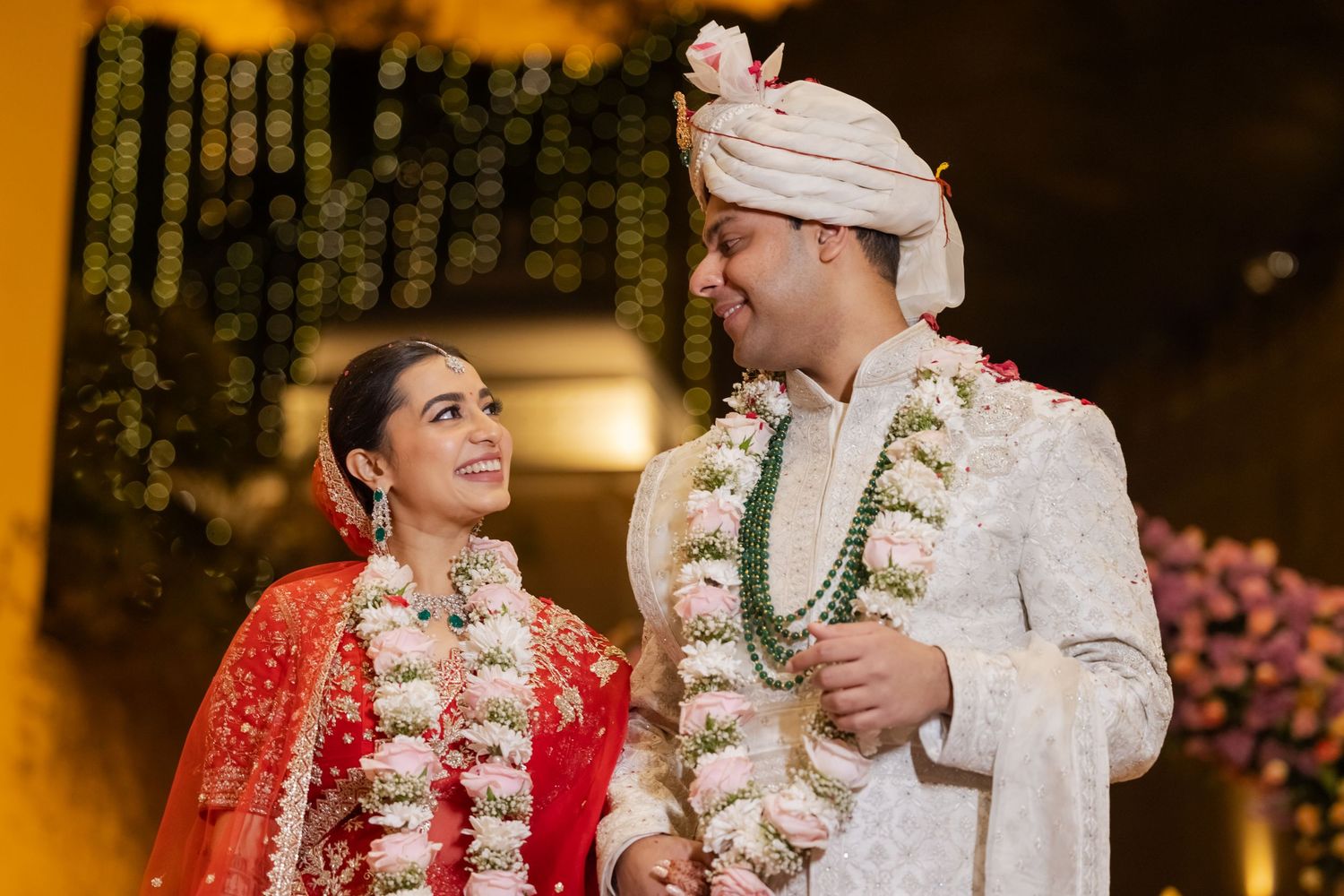
Since destination weddings often mean smaller guest lists made up of people who traveled specifically to be there, group photos take on extra significance, this might be the only time everyone is together in one place.
Impresio Studio explains: Group photography at destination weddings often feels more intimate simply because of the smaller numbers involved, but it still requires the same level of organization as larger weddings. We typically coordinate with a designated point person, often a family member or planner, to help gather groups quickly, especially important when working around a tight schedule shaped by venue timings or sunset windows. Clients can expect us to suggest doing group photos earlier in the day if possible, when energy levels are higher and lighting is more predictable. To prepare, share a list of important group combinations in advance, and consider that since everyone made the effort to travel, capturing a few relaxed group shots beyond the formal lineup, like everyone laughing together, can become some of the most meaningful images from the trip.
Adapting to Weather and Last-Minute Changes
Outdoor destination weddings come with an unavoidable factor, weather. Rain, wind, or unexpected changes in conditions can shift plans quickly, and photography needs to adapt just as fast.
Impresio Studio explains: Weather contingency planning is something we think about well before the wedding day. This means identifying backup locations, indoor spaces with good light, covered areas, or alternative spots nearby, in case the original plan isn't possible. If rain or wind does affect plans, we adjust on the spot, sometimes this actually leads to unique, atmospheric photos that couples end up loving, dramatic skies, reflections in wet pavements, or cozy indoor portraits with soft window light. Clients can expect us to stay calm and flexible if plans need to shift, treating it as an opportunity rather than a setback. To prepare, it helps to mentally prepare for the possibility of changes and trust that we'll always work to make the best of whatever conditions we're given.
Documenting Local Culture and Surroundings
Part of what makes a destination wedding special is the location itself, its architecture, landscapes, local life, and atmosphere. Many couples want their wedding album to reflect not just the event, but the place where it happened.
Impresio Studio explains: This type of photography involves stepping slightly outside the wedding events themselves to capture the essence of the location, a quiet street, a local market, the view from your hotel balcony, or architectural details unique to the area. These images add context and atmosphere to your wedding story, almost like a visual diary of where you got married. Clients can expect us to capture some of these shots during quieter moments, early mornings, breaks between events, or while moving between locations. To prepare, if there's a particular aspect of the location that drew you to it in the first place, a view, a building, a particular street, let us know, since these personal touches often make the most meaningful additions to your album.
10. Post-Wedding Photo Sessions and Extended Stays
Many couples choose to extend their stay after the wedding, giving everyone a chance to relax without the pressure of the wedding day schedule. This downtime often becomes an opportunity for a more relaxed, extended photo session.
Impresio Studio explains: Post-wedding sessions, sometimes called "day-after" shoots, tend to be more relaxed and exploratory compared to the wedding day itself. Without the time pressure of a packed schedule, we can take our time exploring different locations, trying out different outfits, or simply capturing more candid, playful moments between the two of you. Clients can expect a slower pace, more variety in locations, and often more creative or adventurous shots since there's flexibility to try new things. To prepare, think about whether there's an outfit change you'd love to include, your wedding attire again in a different setting, or something more casual, and consider locations you might not have had time to visit during the main wedding events.
Making the Most of Your Destination Wedding Photography
Destination wedding photography comes with its own unique set of challenges, travel logistics, unfamiliar lighting, tight schedules, and unpredictable weather, but it also offers something truly special, the chance to tell your love story against a backdrop that means something to you, whether that's where you first traveled together, a place you've always dreamed of visiting, or simply somewhere beautiful that calls to you.
Impresio Studio believes the key to great destination wedding photography lies in preparation, flexibility, and communication. The more information shared in advance, the schedule, the locations, the people involved, the better the planning can be on the photography side. But just as important is staying open to adjustments along the way, sometimes the best photos come from unexpected moments or last-minute changes in plan.
At the end of the day, whether you're getting married on a quiet beach, in a historic European town, or somewhere off the beaten path, the goal remains the same, capturing the joy, connection, and adventure of celebrating your wedding in a place that feels meaningful to you both.